Not All Real Estate Agents Are Created Equal — Here's How to Tell the Difference
Anyone with a license can technically "help" you buy or sell a home. Fill out paperwork, schedule showings, submit an offer. But there's a meaningful gap between an agent who can close a deal and one who protects you from the deals you shouldn't be closing in the first place.
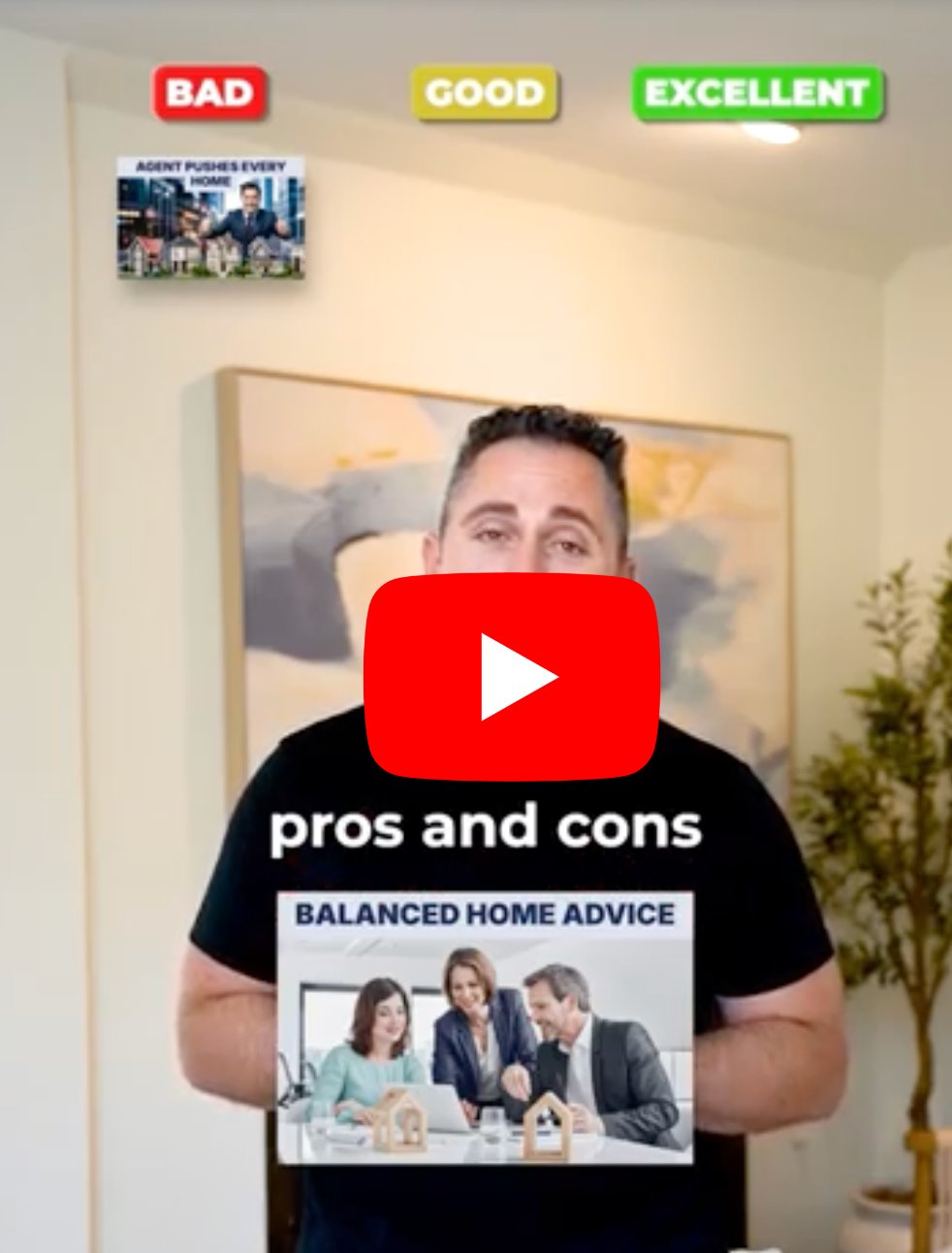
Watch the video: https://www.youtube.com/embed/AYy5lzGc2LY
Most buyers and sellers don't find out which kind of agent they hired until something goes wrong — and by then, it's usually expensive to fix. Here's what actually separates the two.
A Good Agent Closes Deals. A Great Agent Prevents Bad Ones.
Closing a transaction isn't the hard part. Anyone can write an offer or list a home on the MLS. What's harder — and what actually protects your money — is knowing when not to move forward.
A great agent will tell you when a house is overpriced for what it is, when an inspection issue is a dealbreaker and not just a negotiating chip, or when the "great deal" you found has a structural or title problem that won't surface until it's your problem. That advice doesn't always feel good in the moment. It's also the advice that saves people tens of thousands of dollars.
They Protect Your Money, Not Just the Transaction
There's a difference between an agent focused on getting a deal done and one focused on your financial outcome. The second type will:
- Push back on pricing that doesn't match comps, even if it means a harder conversation
- Flag financing terms or contingencies that quietly shift risk onto you
- Know which repair requests are worth fighting for and which aren't worth the delay
- Understand the local market well enough to know when a "competitive offer" is actually overpaying
None of this shows up in a listing photo or a marketing brochure. It shows up in the moments where an agent has to tell a client something they don't want to hear.
They Make the Process Feel Effortless — Because of What Happens Behind the Scenes
"Effortless" doesn't mean nothing is happening. It means the friction is being absorbed by someone who knows how to handle it before it becomes your problem. That includes:
- Coordinating inspectors, lenders, and escrow so timelines don't collide
- Catching contract details that create liability later
- Communicating proactively instead of leaving clients guessing
- Having a network of reliable vendors — contractors, stagers, attorneys — ready when something unexpected comes up
Clients rarely see this part of the job. They just notice that their transaction didn't feel chaotic.
Questions That Separate the Two Types of Agents
If you're interviewing agents, these tend to surface the difference quickly:
- "Tell me about a deal you talked a client out of." A great agent has an answer. A transactional one won't.
- "How do you determine if a listing price is accurate?" Listen for actual market reasoning, not just enthusiasm.
- "What happens if the inspection turns up something serious?" You want a process, not a shrug.
- "How do you communicate during a transaction?" Vague answers usually mean you'll be doing the following up yourself.
The Bottom Line
Buying or selling a home is one of the largest financial decisions most people make, and the agent across the table has more influence over the outcome than almost anything else in the process. The best ones aren't measured by how many deals they close — they're measured by the bad ones they steer you away from, the money they protect along the way, and how little you have to worry about while it's happening.
If you're starting to think about a move, let's talk before you're under contract — not after.
